
















Card Issuing Fraud
Card Issuing Fraud
Control risk across your card issuing program
Score transactions, monitor cardholder activity, and apply real-time controls to reduce fraud and approve more spend.













Make smarter card authorization decisions
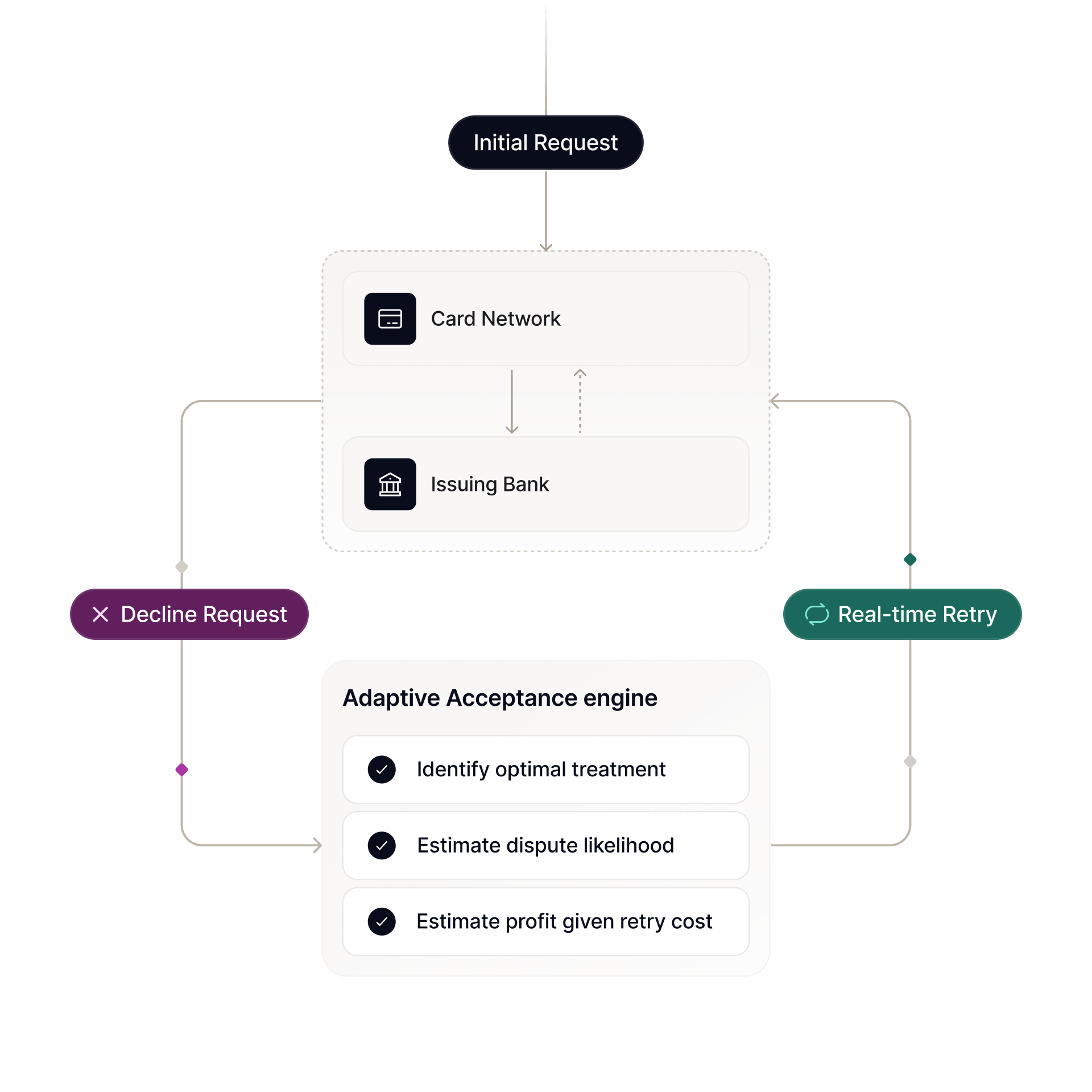
Reduce fraud, lower false declines, and grow approved spend across your issuing program with high-precision risk scoring.

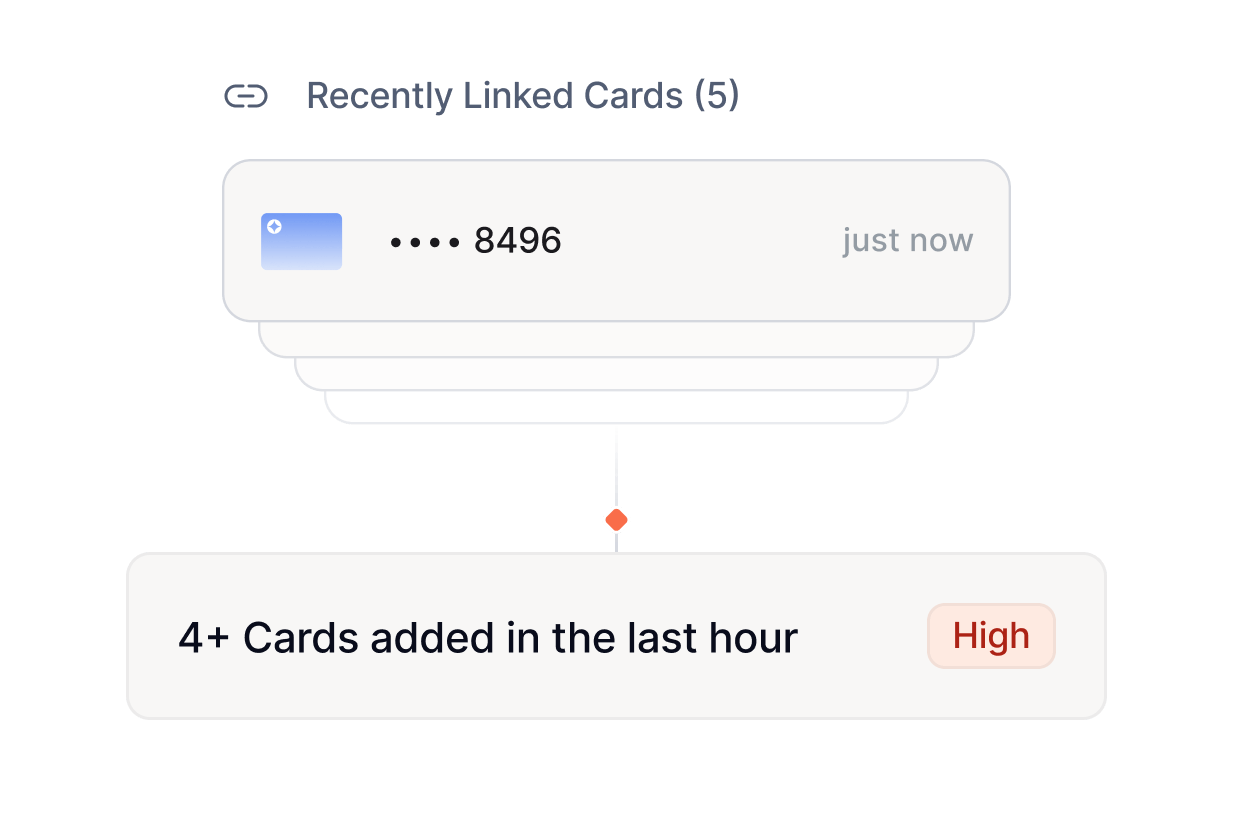
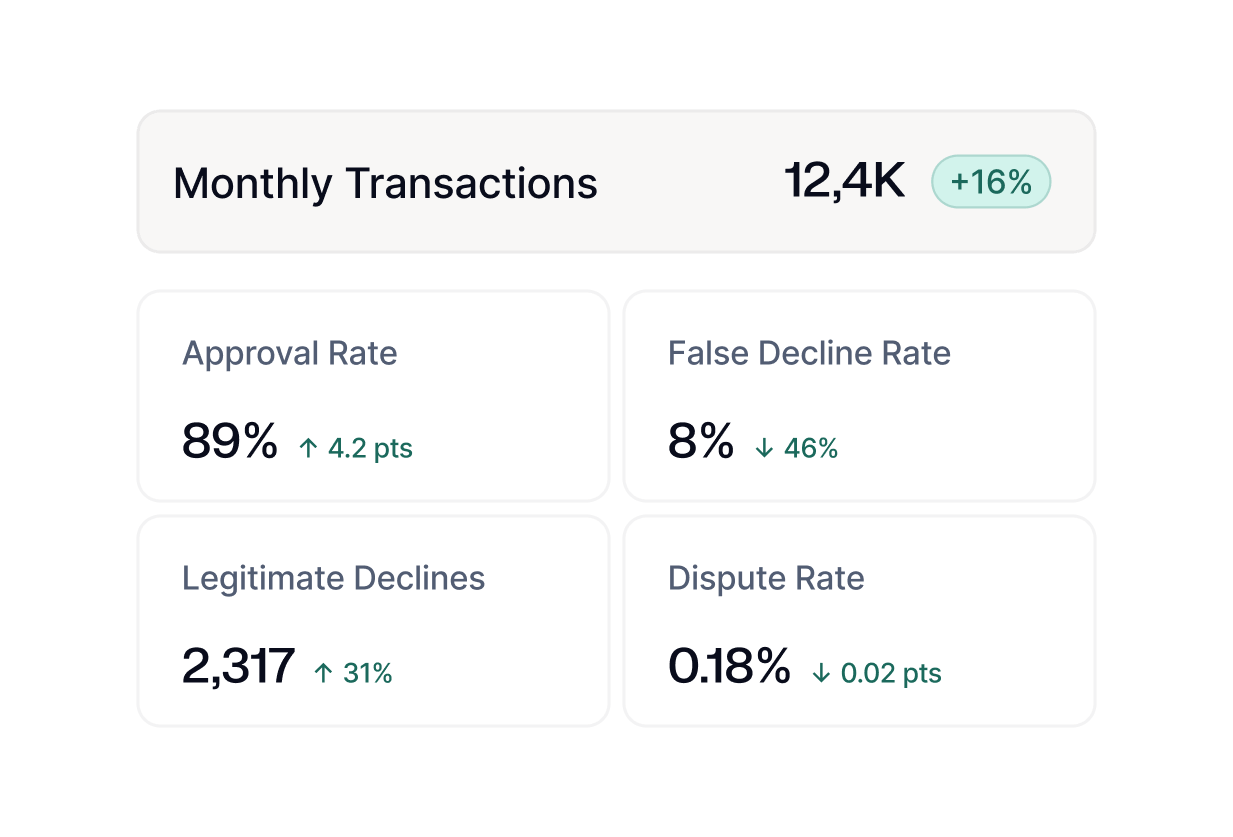
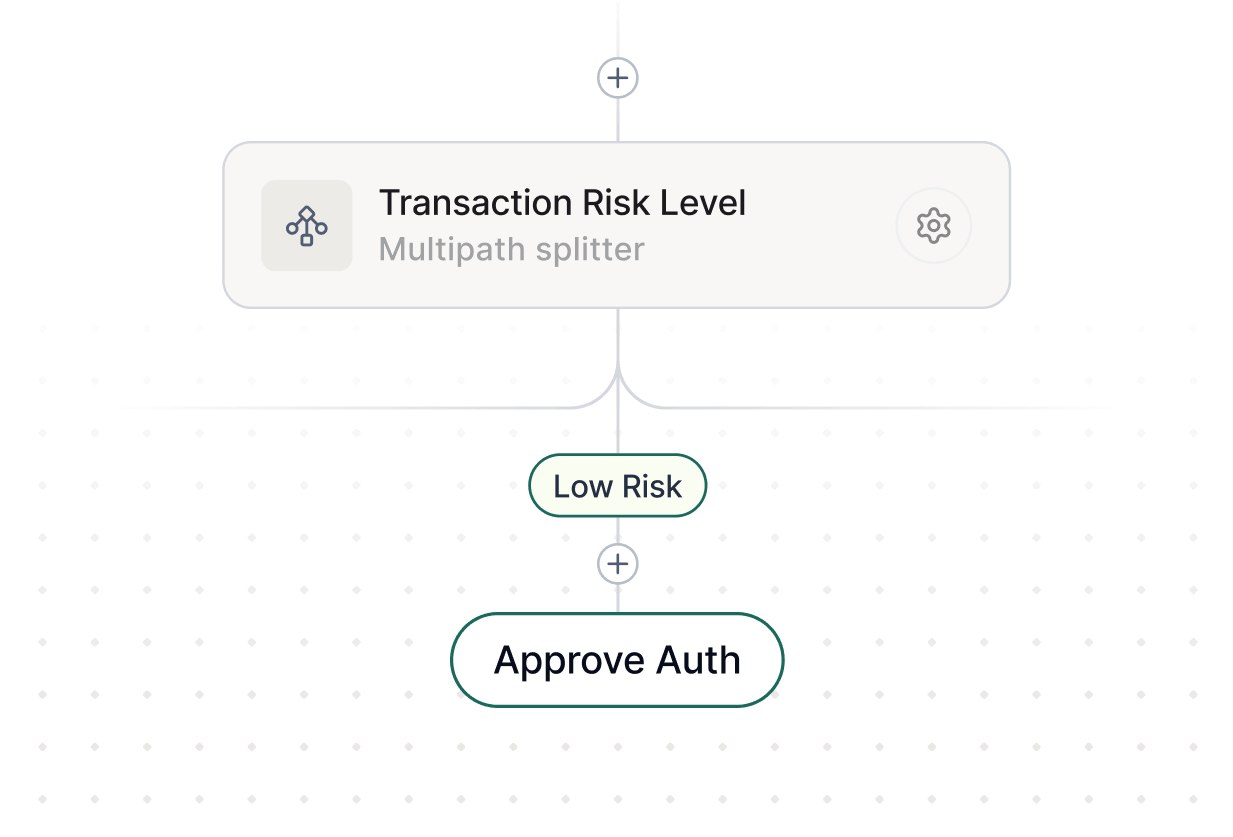
Make smarter authorization decisions by linking signals across the cardholder lifecycle

Card Tokenization
Protect tokenized wallet enrollment
Screen wallet enrollment and monitor token usage to reduce fraud before and after provisioning.
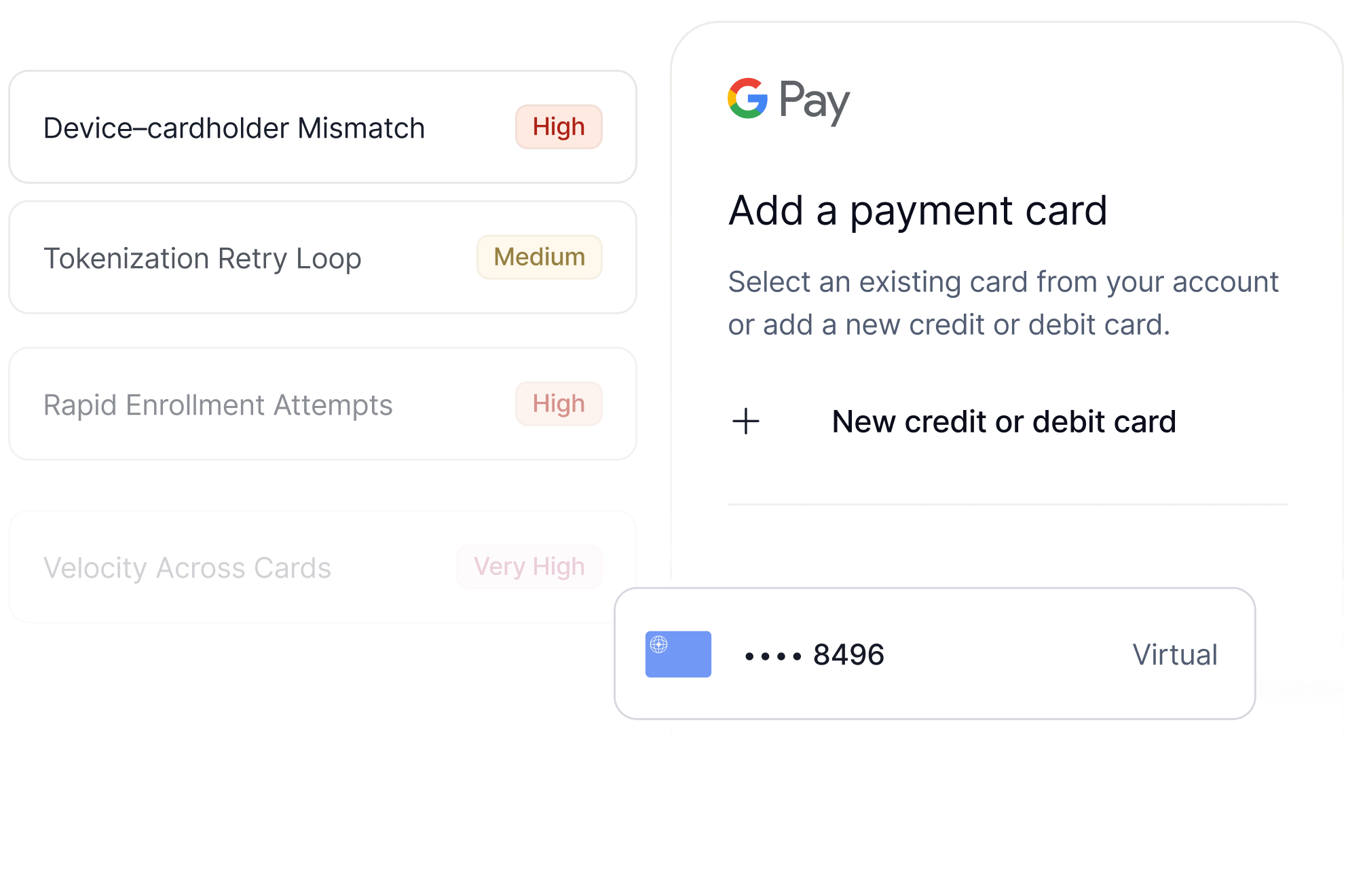

Identify compromised or stolen cards attempting to enroll in Apple Pay, Google Pay, and other tokenized wallets.

Distinguish trusted cardholder provisioning from higher risk activity like manual entry and rapid enrollment attempts.

Proactively take action when your cards are compromised or being sold on the dark web through our automated alerting.
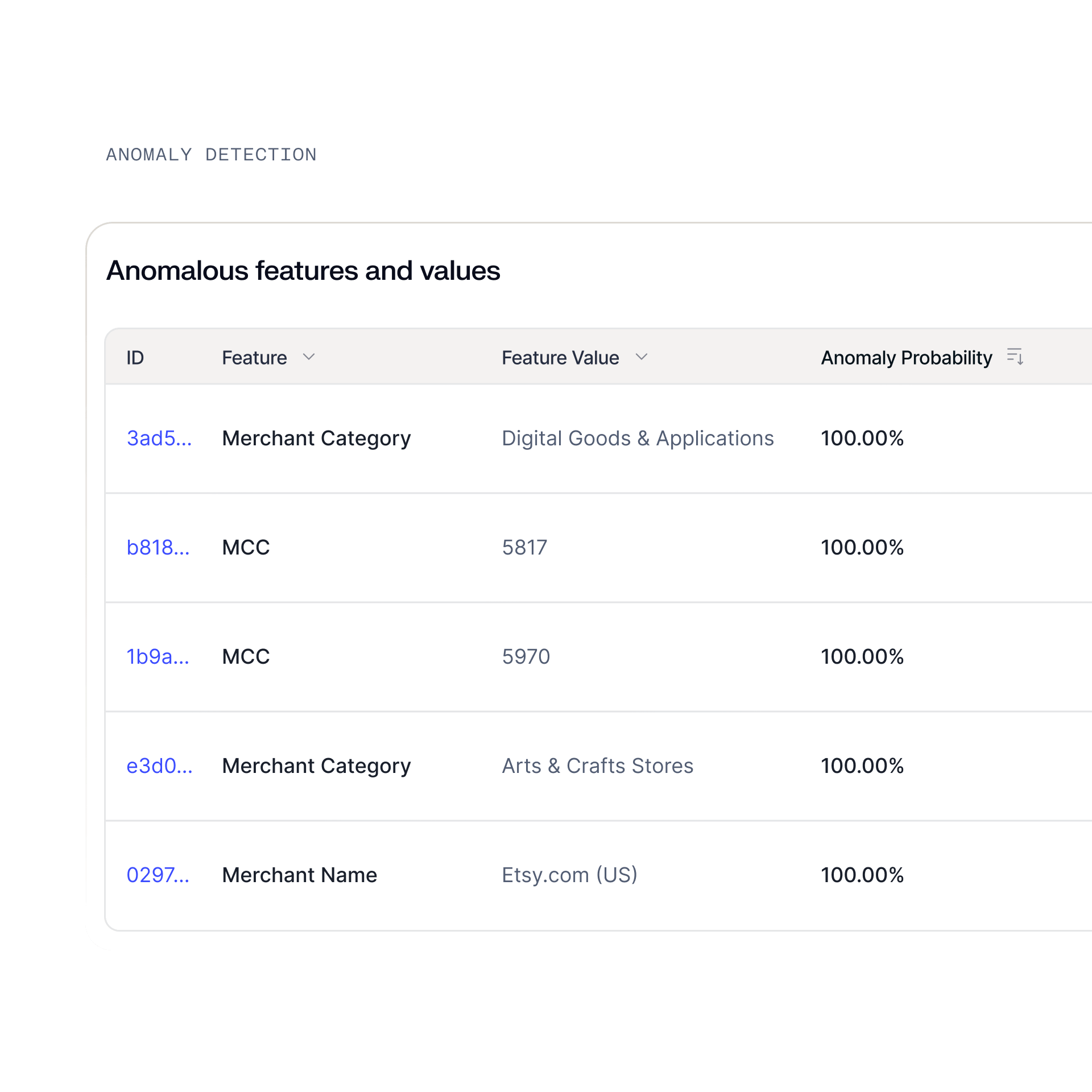
Cardholder Experience
Issuer-controlled customer experience
Move beyond siloed card data to understand how transactions relate to account behavior.

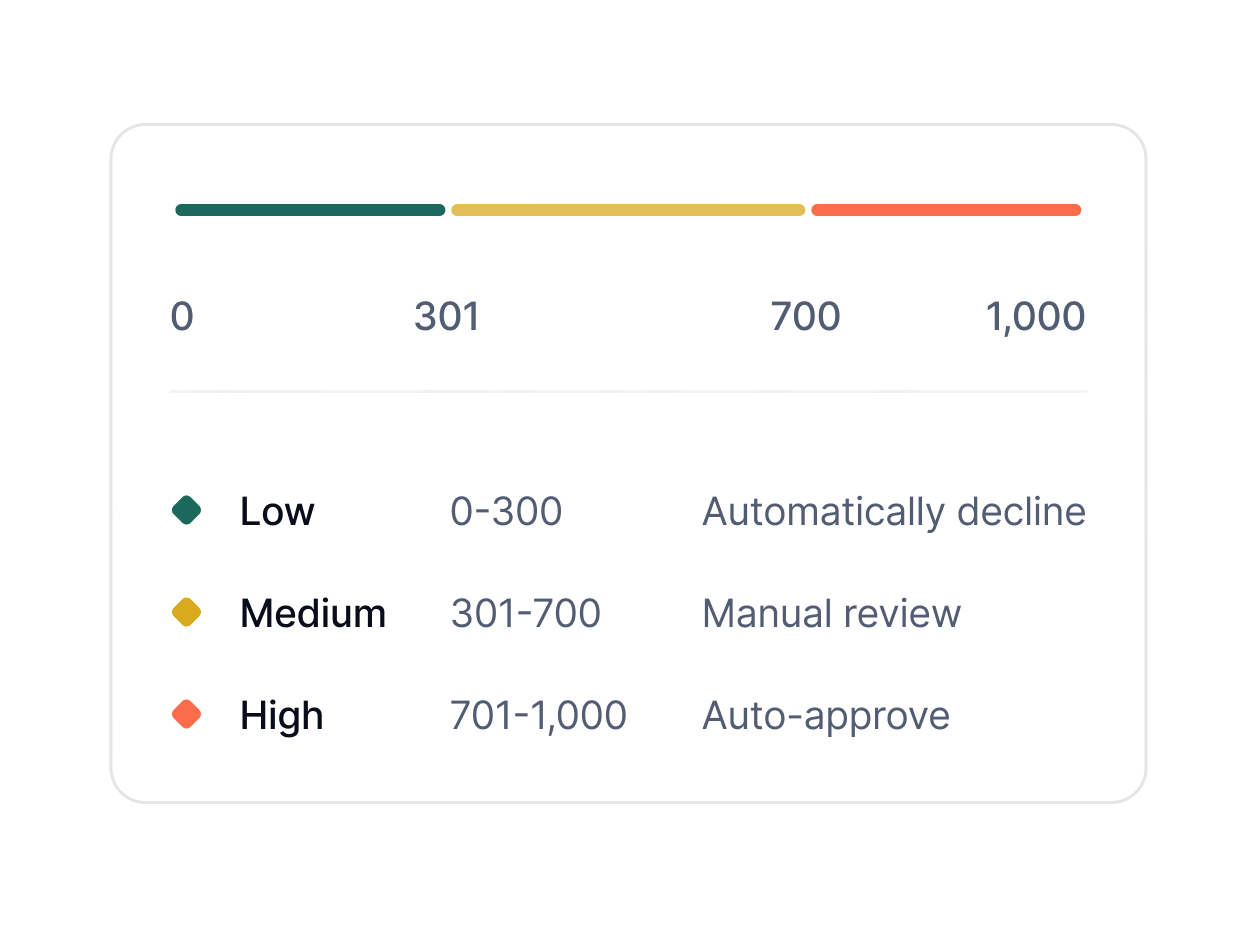

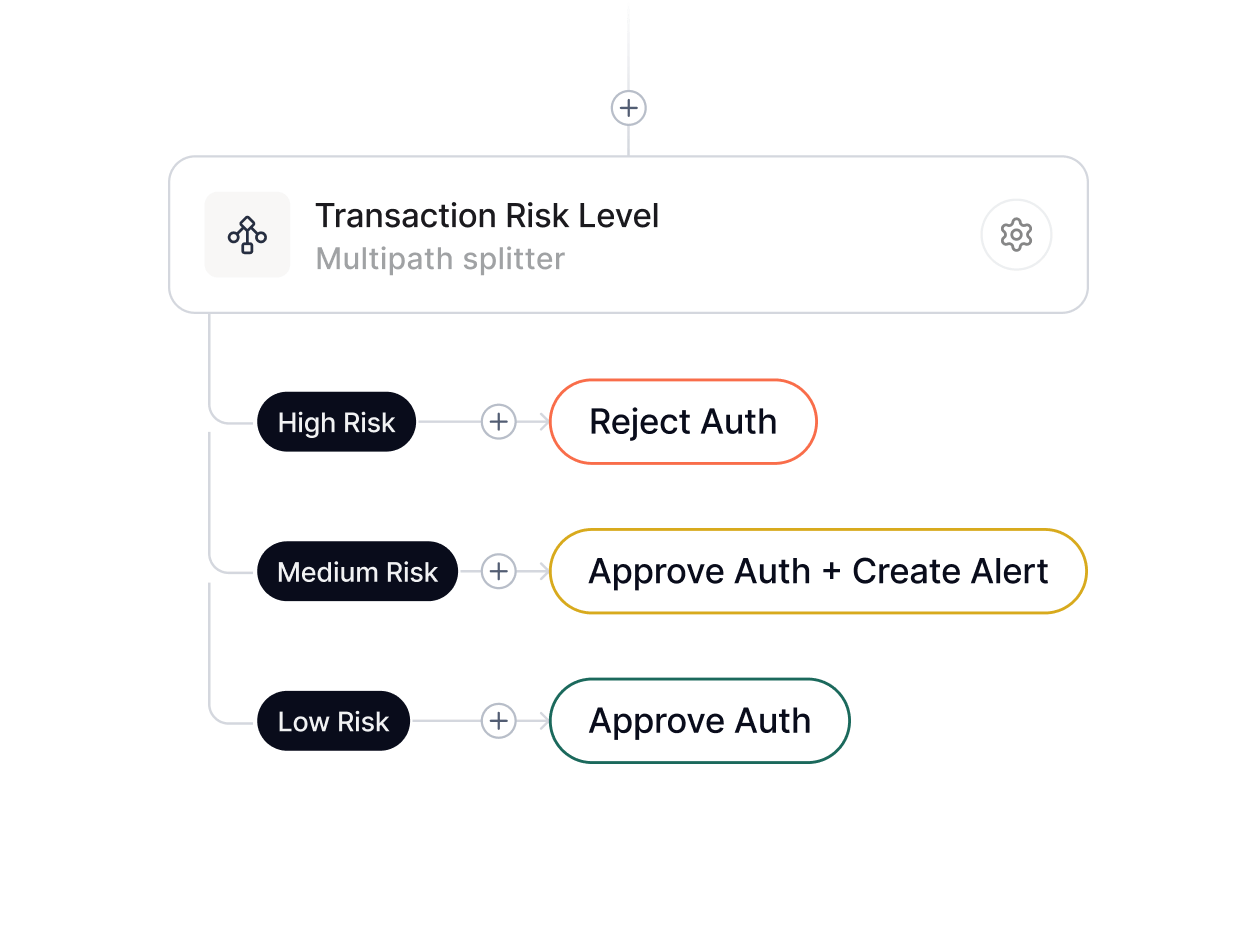

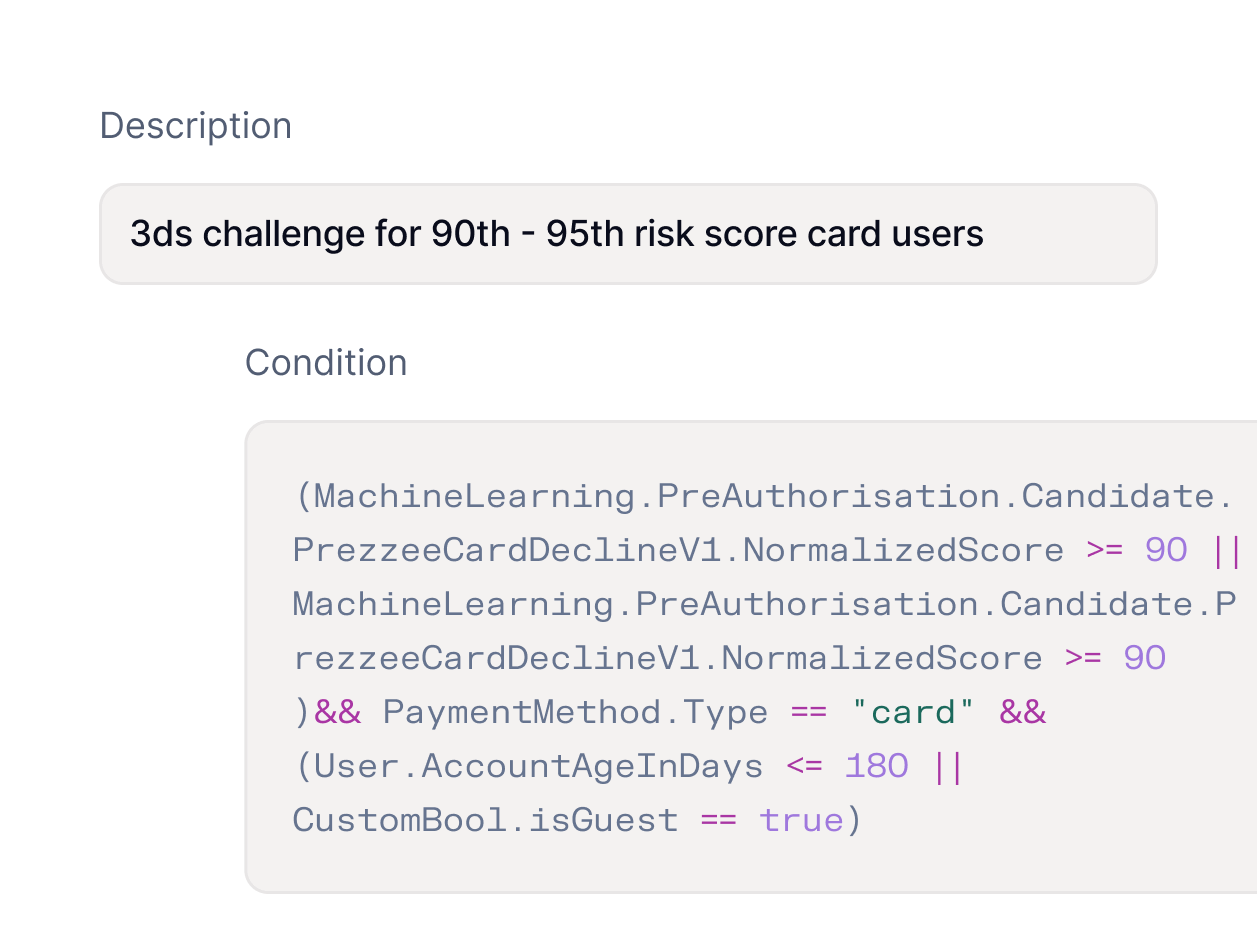
Enhance card issuing with Agentic Fraud Ops
AI agents help you adapt to card issuing fraud faster than rules or machine learning alone.
Automate alert reviews
Triage card issuing fraud alerts, summarizing risk drivers and prioritizing review queues.
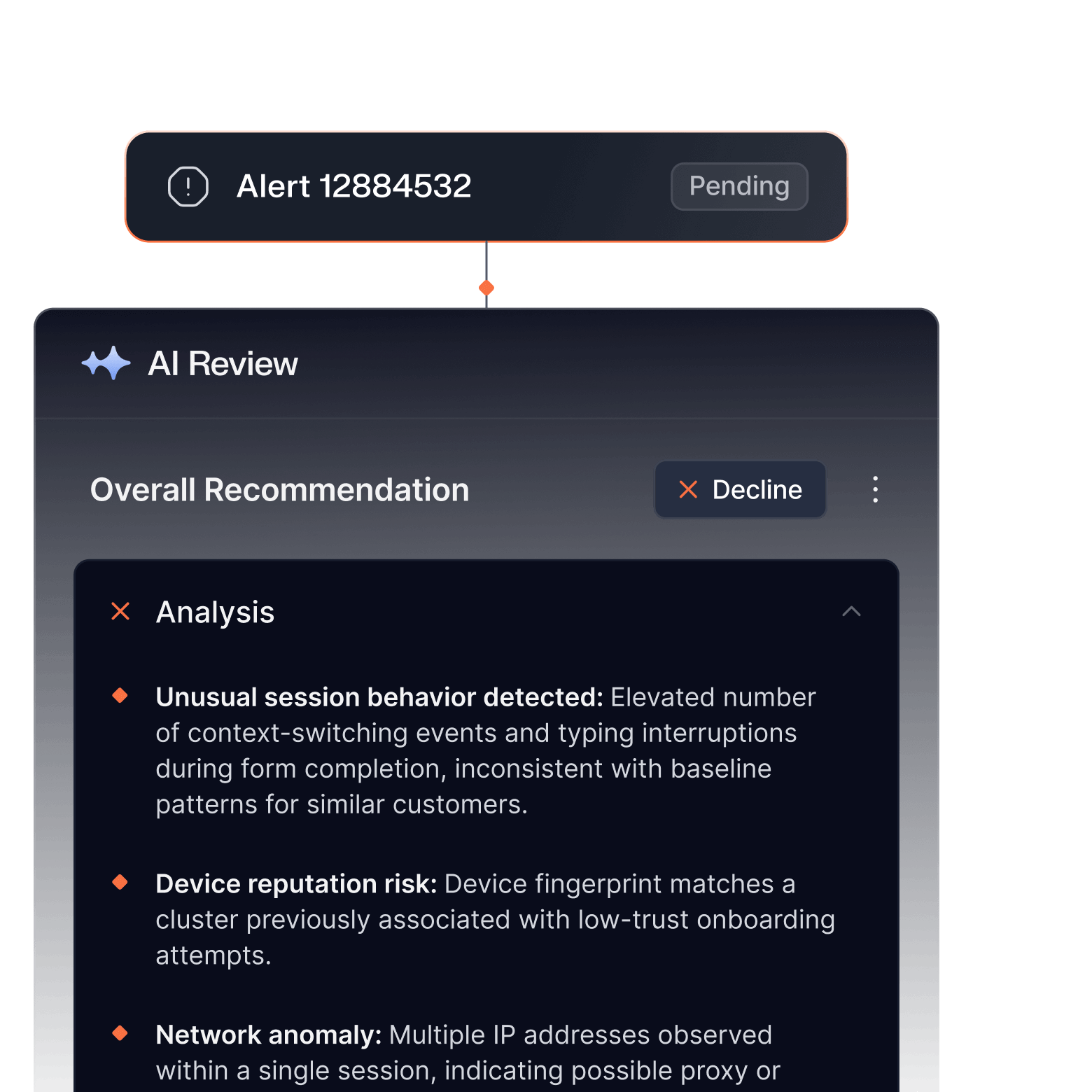
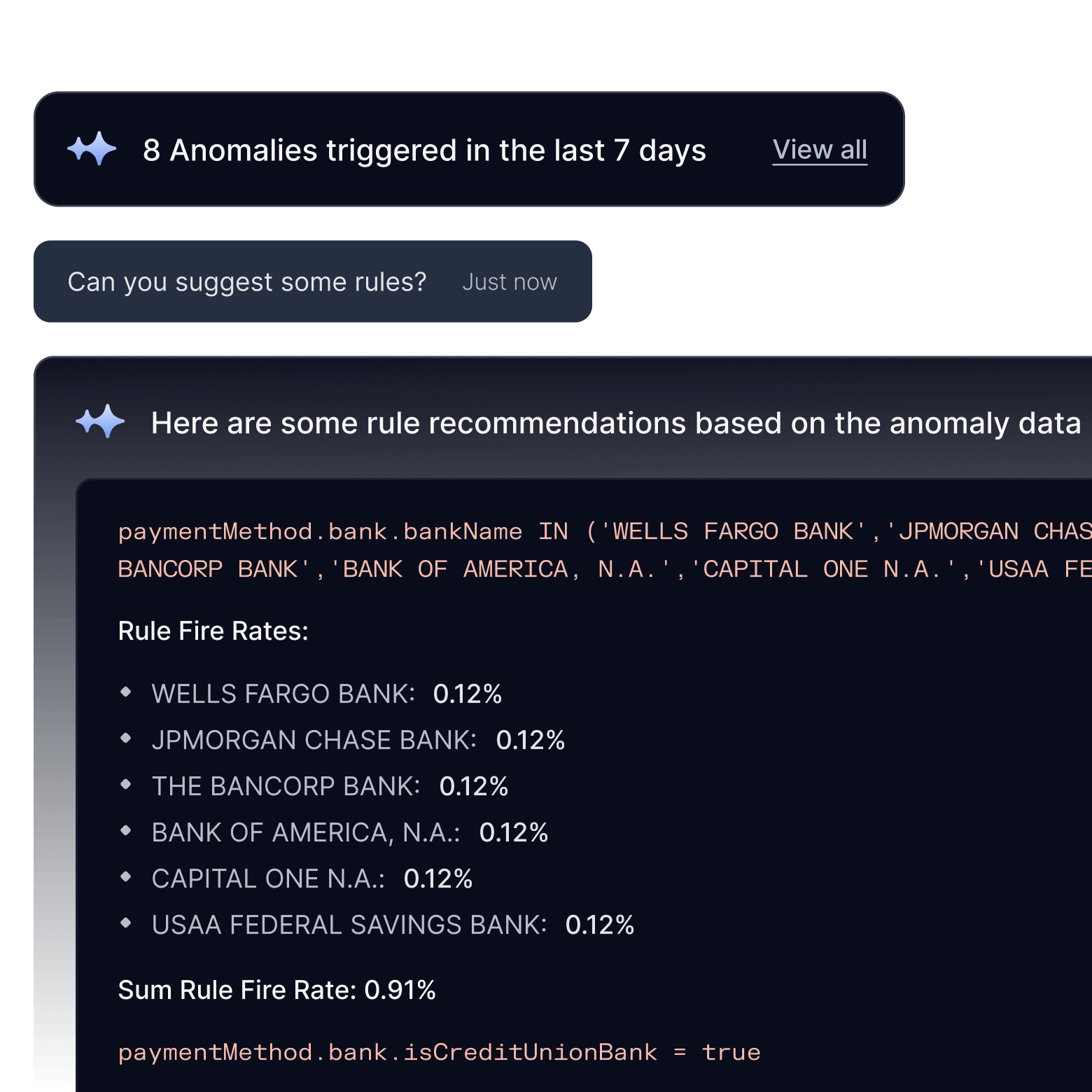
Real-time fraud response
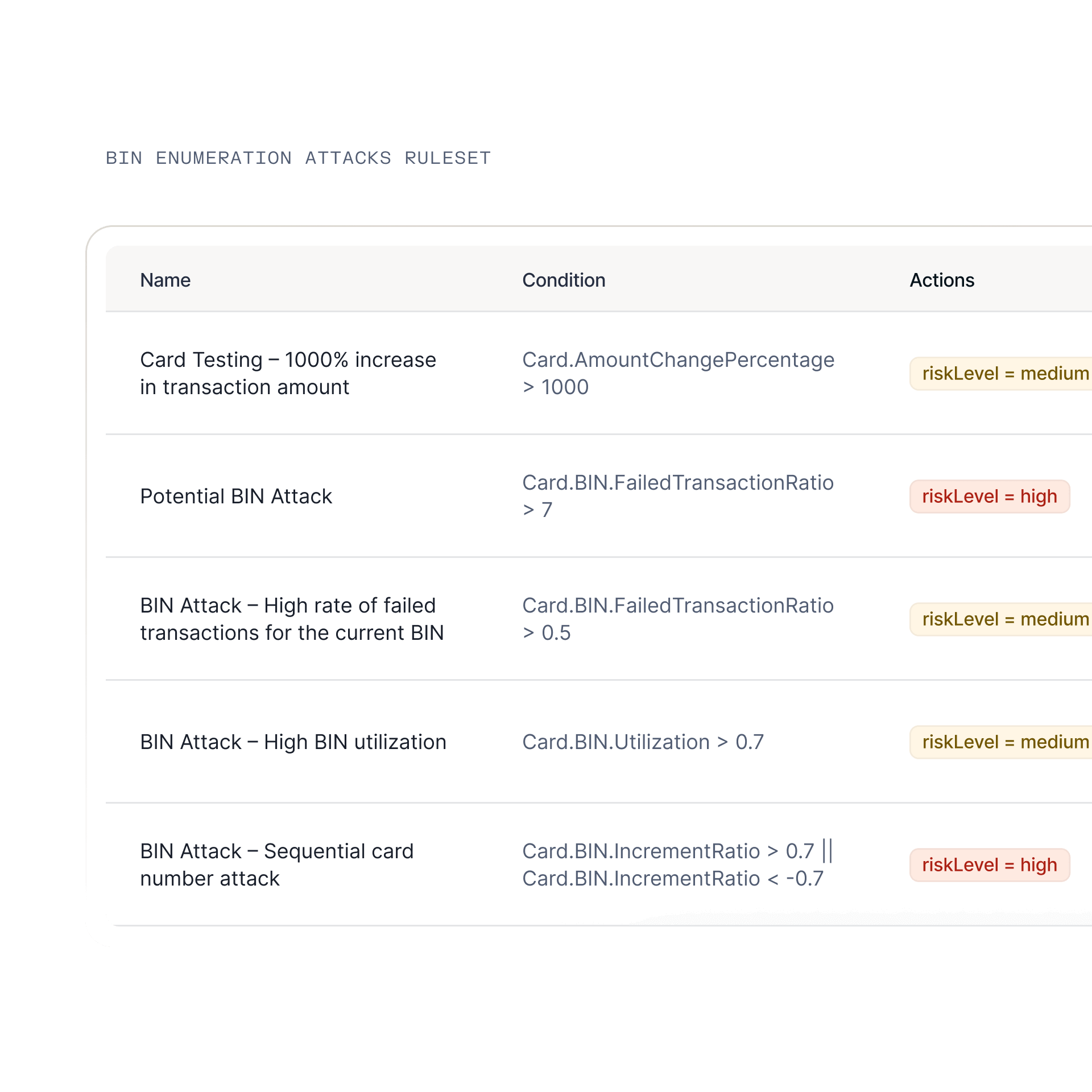
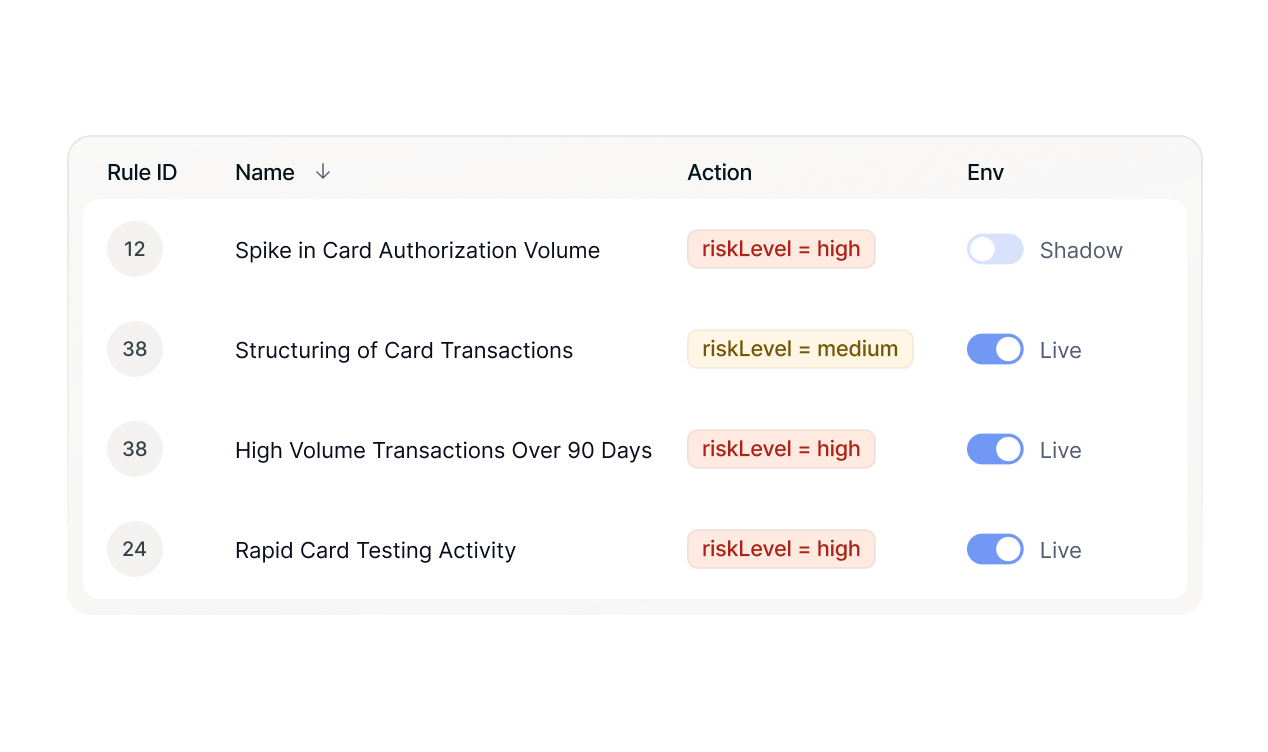
Agents detect program anomalies, recommend fraud detection rules, and enable instant deployment.
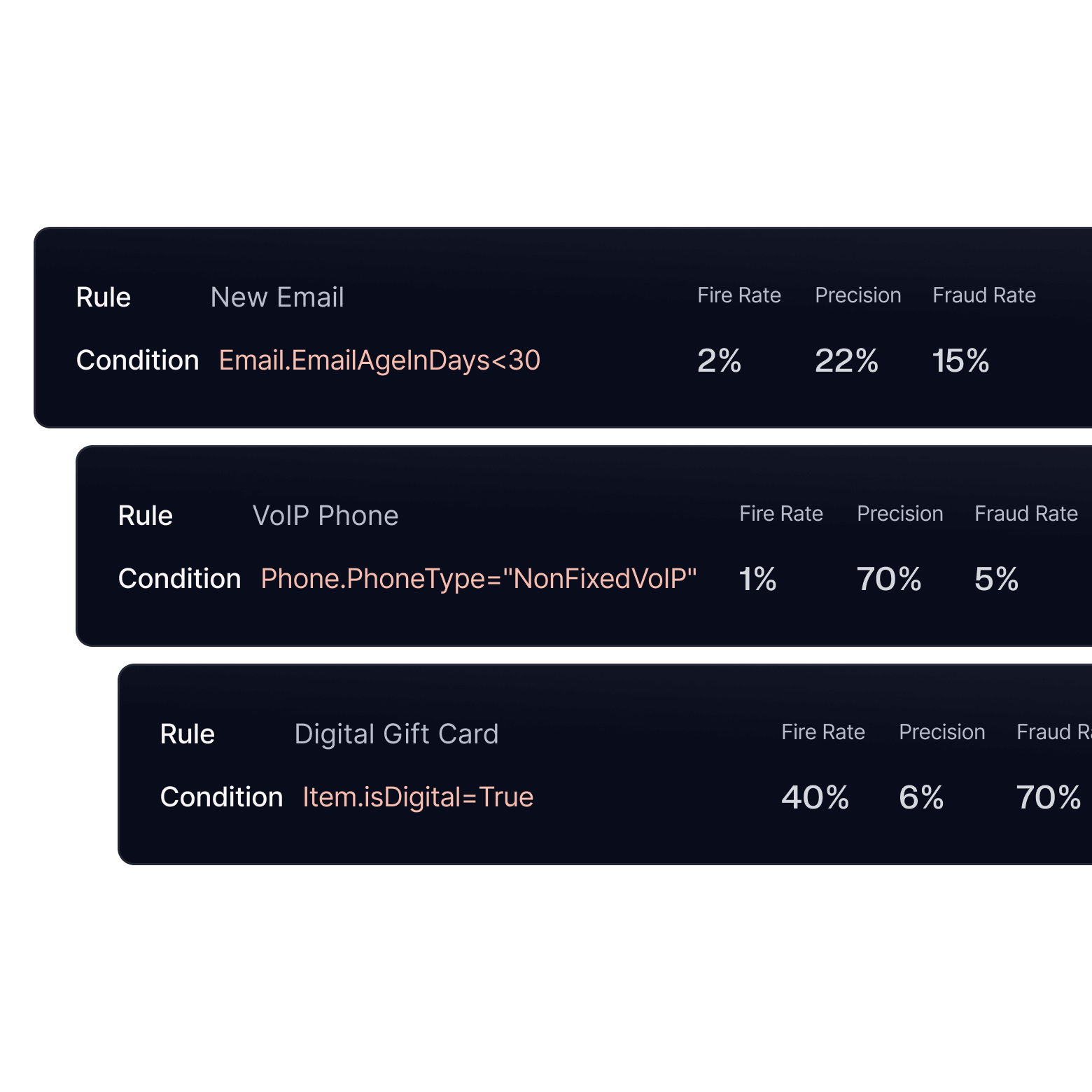
Optimize monitoring rules
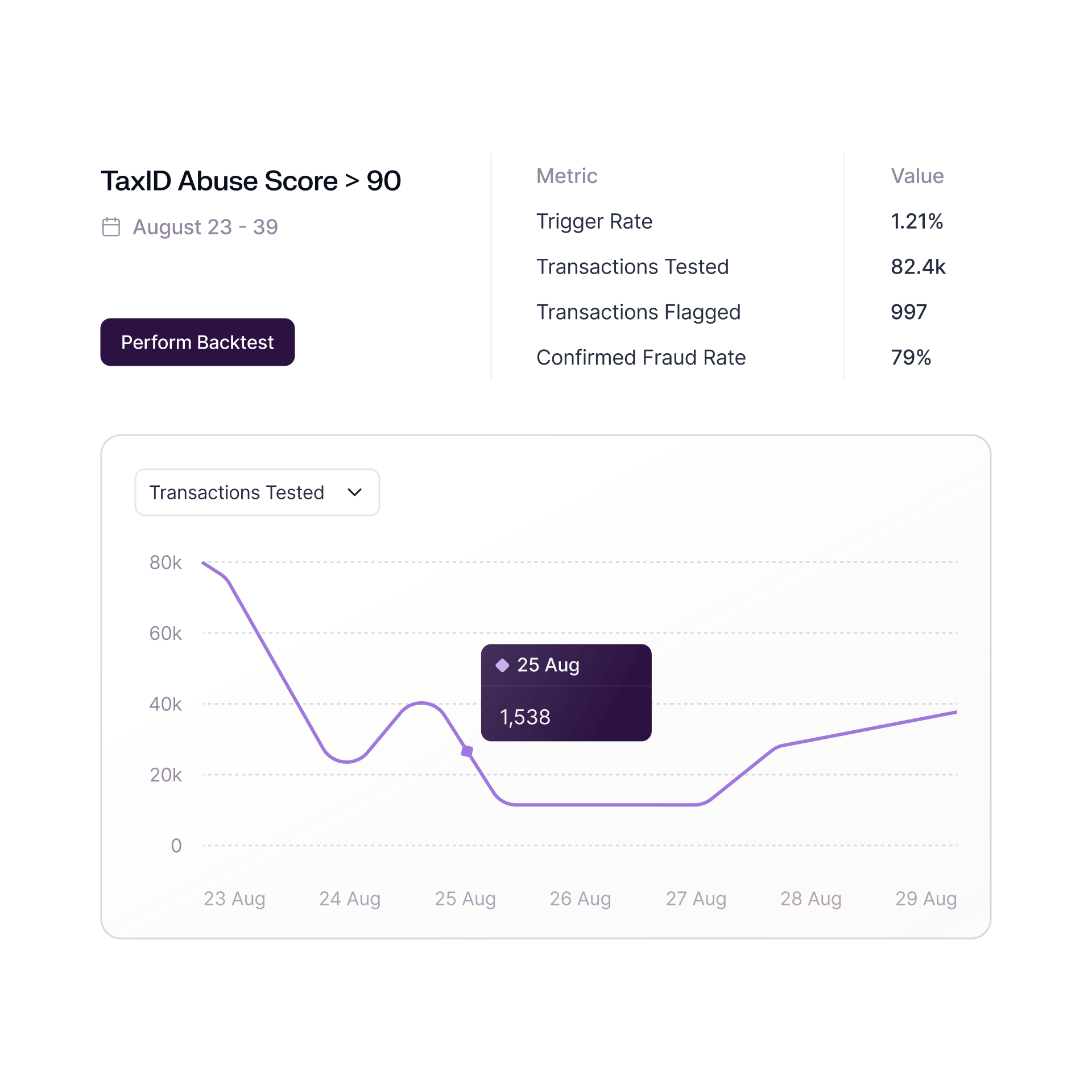
Automatically analyze false positives, false negatives, fraud capture rates, and decision engine precision to optimize in real-time.
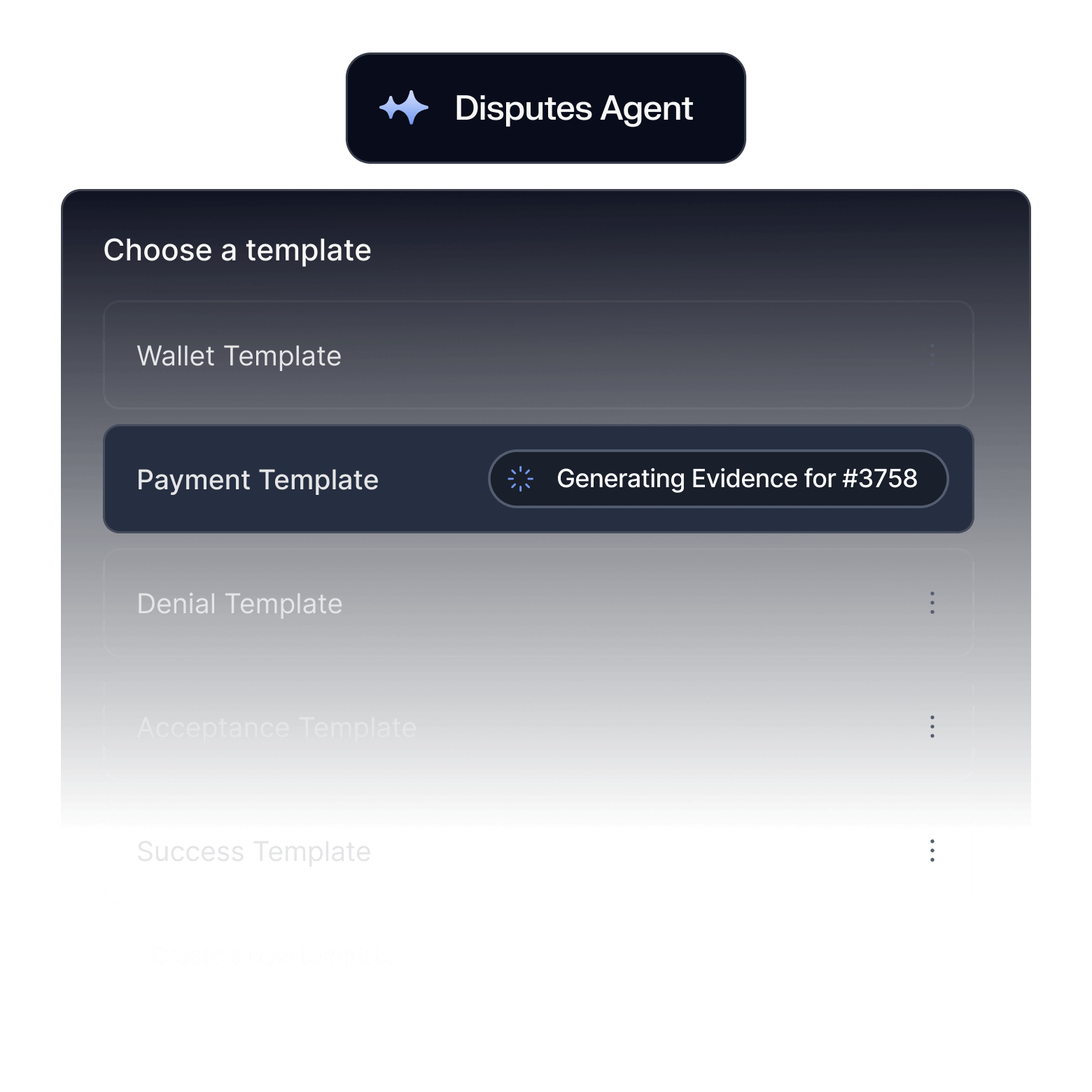
Automate dispute filing
Collect evidence, surface root causes, and recommend dispute actions to improve recovery outcomes.
Unlock the full potential of Sardine’s risk platform
Machine Learning
Adaptive issuing risk
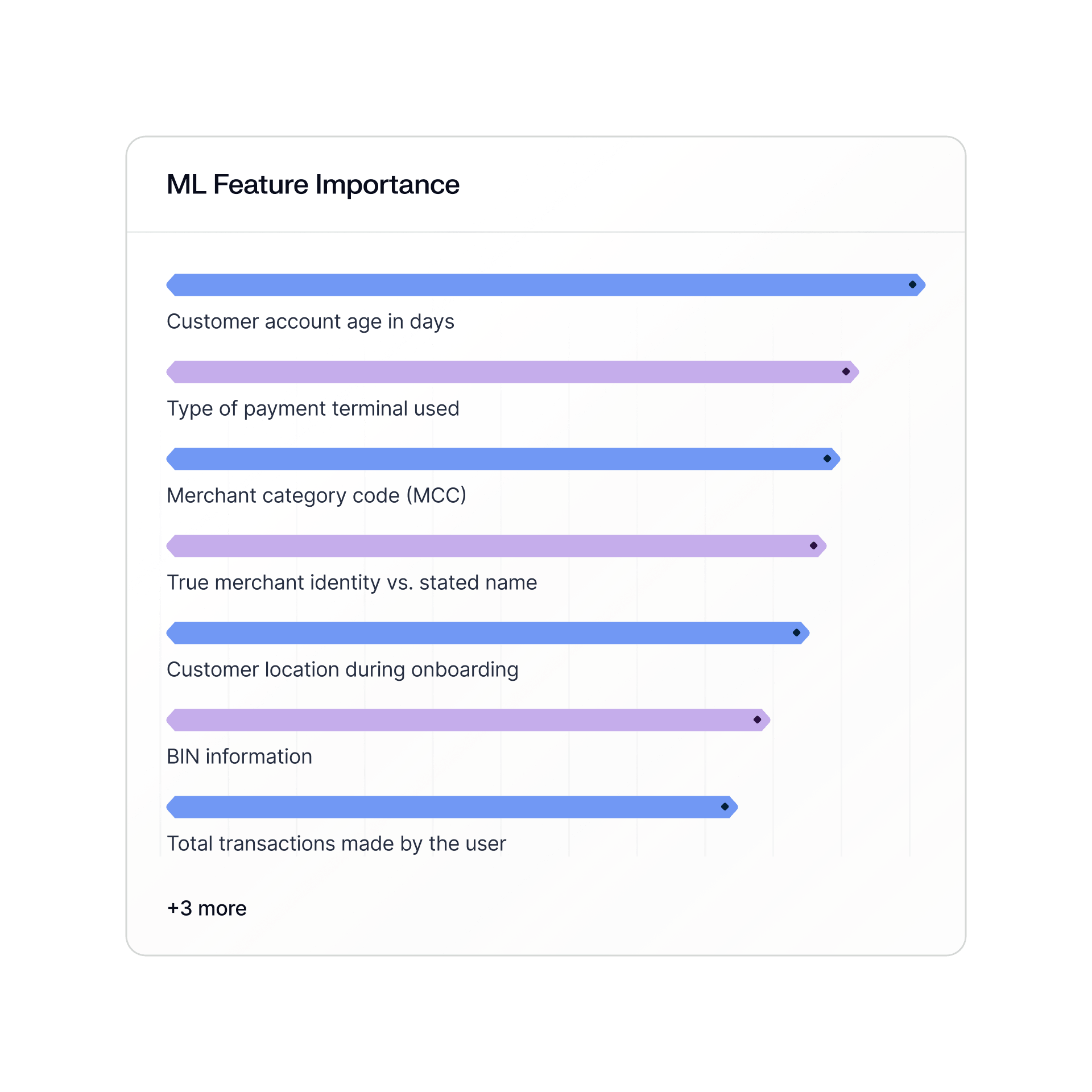
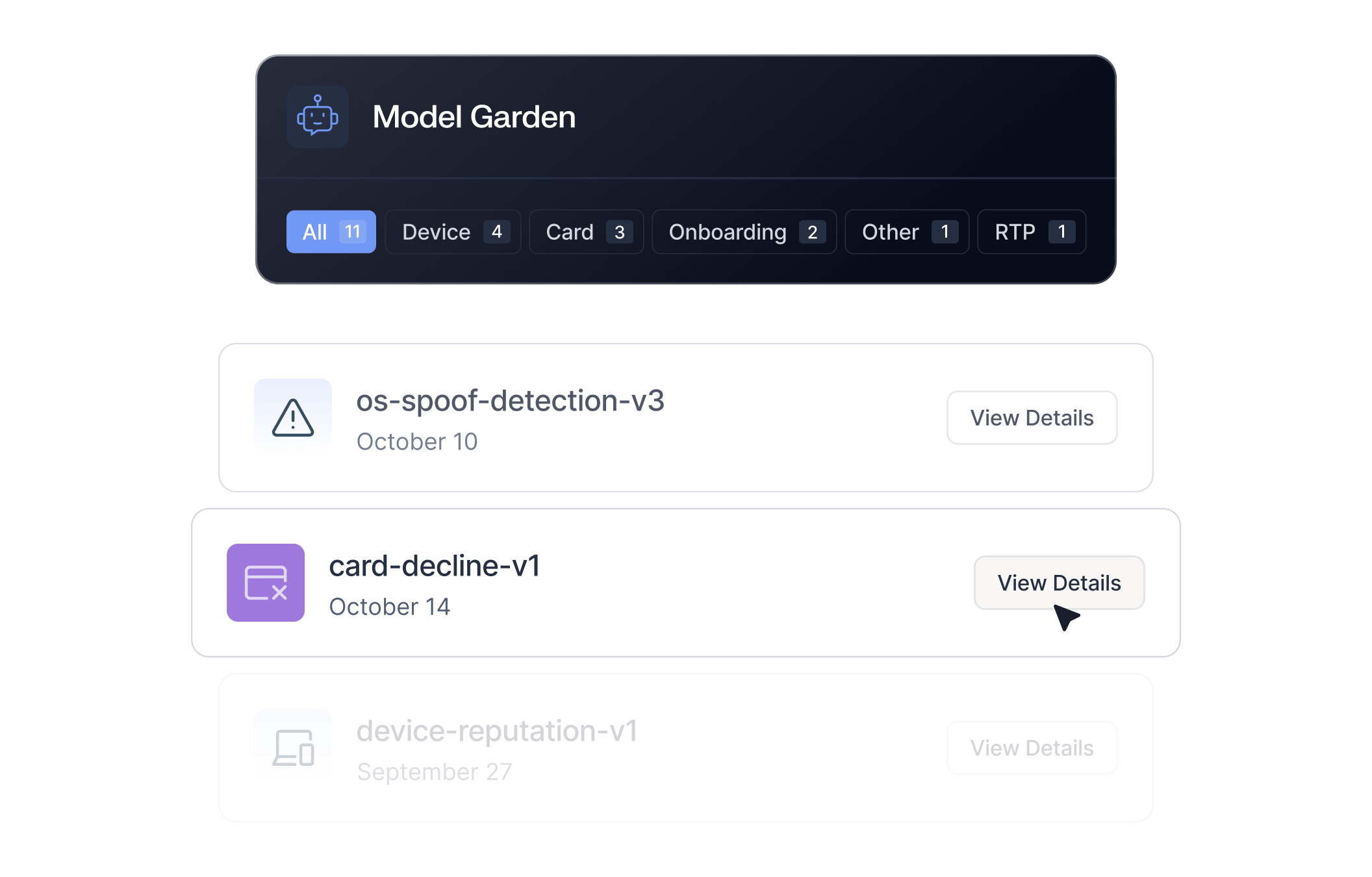
Continuously score authorizations using real-time behavioral, account, merchant, and network signals.





Control risk across your card program
Frequently asked questions

How does Sardine integrate with existing card processors?
Sardine seamlessly integrates into your card issuing flows as a core decisioning layer, allowing you to enable more accurate and intelligent transaction decisioning in real time. Issuers can keep their existing processor and internal transaction logic, all while gaining fully independent and customizable authorization controls, fraud prevention logic, transaction step-up logic, and unified visibility across card spend activity, account behaviors, identity signals, and the Sardine network effects.
How quickly can issuers respond to new fraud patterns?
Fraud teams can detect new loss trends, adjust rules or model thresholds, back-test enhancements, and deploy updates within seconds, without processor dependencies, vendor tickets, or release cycles.
How does Sardine reduce false positives compared to traditional issuer tools?
Sardine uses holistic cardholder spend patterns for more intelligent decisioning by evaluating spend behavior across cards, accounts, merchants, devices, and network history, not isolated to only the transactions like traditional systems. This allows fully customizable risk-based spending pattern decisioning while isolating true anomalies, reducing unnecessary declines and cardholder friction.
Does Sardine support tokenized wallets and instant issuance?
Yes. Sardine supports Apple Pay, Google Pay, virtual cards, and instant issuance, with issuer-controlled risk-based decision logic for hundreds of scenarios like wallet provisioning, compromised cards, and high-risk enrollment attempts.
Are authorization decisions explainable for regulators and internal audits?
Every decision includes reason codes, contributing signals, historical context, and an audit trail. Issuers can clearly explain, document, and demonstrate declines, step-ups, and approvals to regulators, examiners, customers, support teams, and card brands (or) leadership.
How does Sardine handle real-time authorization latency for card issuing fraud decisions?
Sardine returns fraud decisions within milliseconds during authorization. Issuers can tactically apply real-time controls without adding high latency or negatively impacting the cardholder experience or processor performance.
Can issuers tune fraud controls by card program, BIN, or geography?
Yes. Issuers can configure authorization logic, thresholds, and their risk-based responses by BIN, card program, geography, risk segment, and a variety of other characteristics. This allows for more intelligent and targeted fraud controls without requiring portfolio-level impacts.
How does Sardine support issuer reporting and executive visibility into fraud programs?
Sardine provides both granular and program-level reporting across fraud rates, approval rates, false positives, rule fire rates, and even dispute loss trends. Issuers gain clear visibility into fraud performance for internal reviews, regulators, and executive stakeholders to monitor the health of their issuing program instantly.